
Italy is never quiet.
Or at least, that’s what I thought.
Then I stood on a narrow pedestrian bridge at sunrise, walking toward Civita di Bagnoregio. There were only six other people ahead of me. No tour groups. No rolling suitcases. Just wind moving through the valley below.
The silence felt unreal.
That morning changed how I travel in Italy.
Because beyond the Colosseum crowds and Amalfi traffic, there’s another Italy — one that hides in crumbling hill towns, turquoise coves, flower-covered plains, and mountain lakes that feel almost sacred at dawn.
If you’re planning a 2026 trip and want something deeper than the standard itinerary, these are the hidden gems of Italy that still feel undiscovered.
Why Italy Still Has Secrets
Italy welcomes more than 60 million visitors annually. Most follow the same route: Rome → Florence → Venice → Amalfi.
But Italy has 20 regions and nearly 8,000 municipalities. Many are shrinking. Some are nearly forgotten.
Trains don’t always run frequently. English isn’t widely spoken. Restaurants don’t have QR codes.
That’s exactly why these places still feel authentic.
Let’s start with the one that made me fall in love with “quiet Italy.”
1. Civita di Bagnoregio – The Village That Refuses to Die

Nicknamed “The Dying City,” Civita sits on a fragile volcanic plateau connected by a long pedestrian bridge.
When I reached Civita di Bagnoregio at sunrise, there were only six people there. The silence felt unreal. Stone houses glowed soft gold. A single café owner was setting out chairs.
It felt suspended in time.
How to reach (2026):
Train from Rome to Orvieto (1 hour, €8–€15), then local bus to Bagnoregio. Walk across the bridge.
Entry fee: €5.
Best time: April–June or September.
Try: Handmade pici pasta with wild boar ragù (€14–€18).
Search Google Maps: “Civita di Bagnoregio pedestrian bridge.”
2. Castelluccio di Norcia – Italy’s Wildflower Explosion

In late June, the plains of Piano Grande erupt into red, purple, and yellow wildflowers.
The air smells like wild herbs. The horizon feels endless.
I sat there watching clouds roll across the Sibillini Mountains. No fences. No bus engines. Just wind.
How to reach:
Rent a car from Perugia (1.5-hour drive).
Best time: Late June–early July bloom.
Try: Local lentil soup (Castelluccio lentils are IGP protected).
Lunch: €18–€25.
3. Dozza – The Painted Village
Every house in Dozza is painted.
Not graffiti — murals created during a biennial art festival.
Walking through its narrow streets feels like stepping inside a living canvas.
How to reach:
Train to Bologna → Bus 101 (1 hour total).
Wine tasting: €10–€15 at Enoteca Regionale.
Go early morning for empty streets.
4. Tropea – Amalfi Without the Chaos
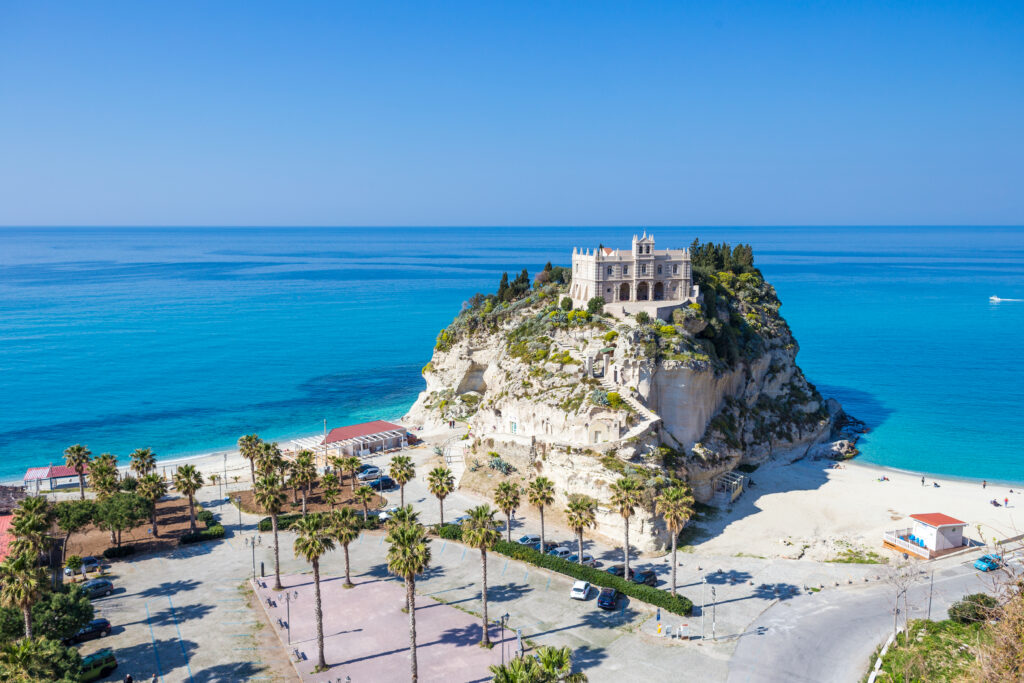
Turquoise water. Dramatic cliffs. White sand below Santa Maria dell’Isola.
But without Amalfi’s traffic jams.
I swam here in September. The water was warm, almost Caribbean-blue.
Train: Naples to Tropea (4.5 hours).
Hotel (mid-range 2026): €90–€140/night.
Try: Tropea red onion pizza.
5. Santo Stefano di Sessanio – Stone and Silence
Stone streets. Wooden doors. Wind moving through mountains.
No traffic. Just church bells.
How to reach:
Car from L’Aquila (30 minutes).
Stay: Sextantio Albergo Diffuso (€160–€220).
Best in autumn.
6. Alberobello – The Trulli Dream
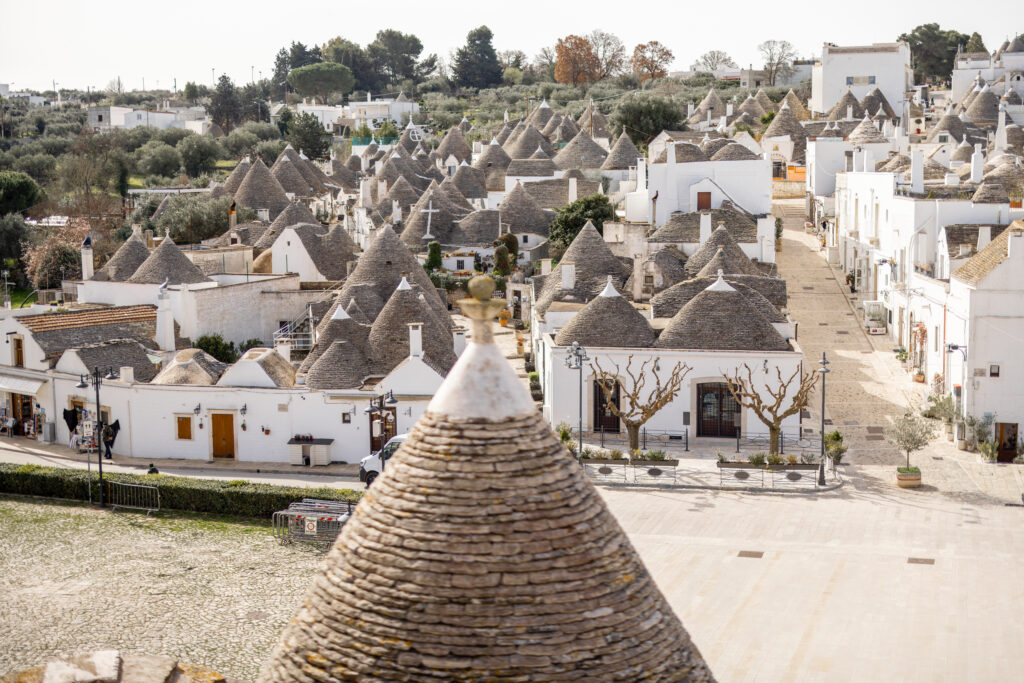
Cone-roof white houses line quiet streets.
Yes, it’s UNESCO-listed. But wander the side alleys at sunset and it feels intimate.
Train: Bari to Alberobello (1.5 hours).
Try: Burrata and orecchiette pasta.
7. Bosa – Sardinia’s Colorful Secret
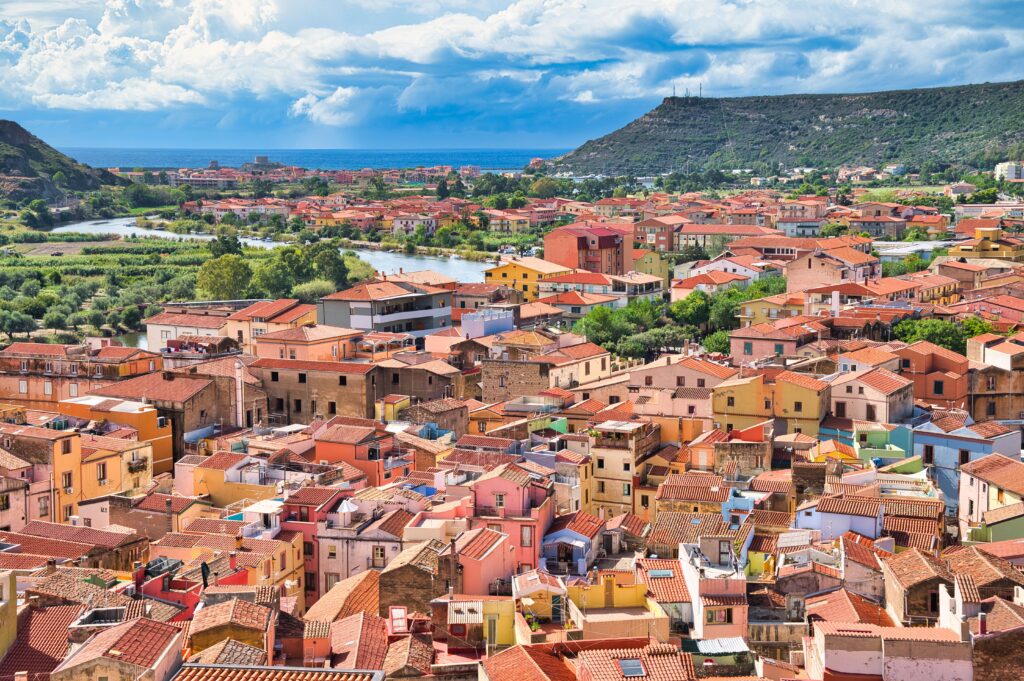
Pastel houses reflect in the Temo River.
It feels local. Unfiltered.
Fly: Cagliari → 2-hour drive.
Seafood dinner: €25–€35.
8. Matera – The Ancient Cave City
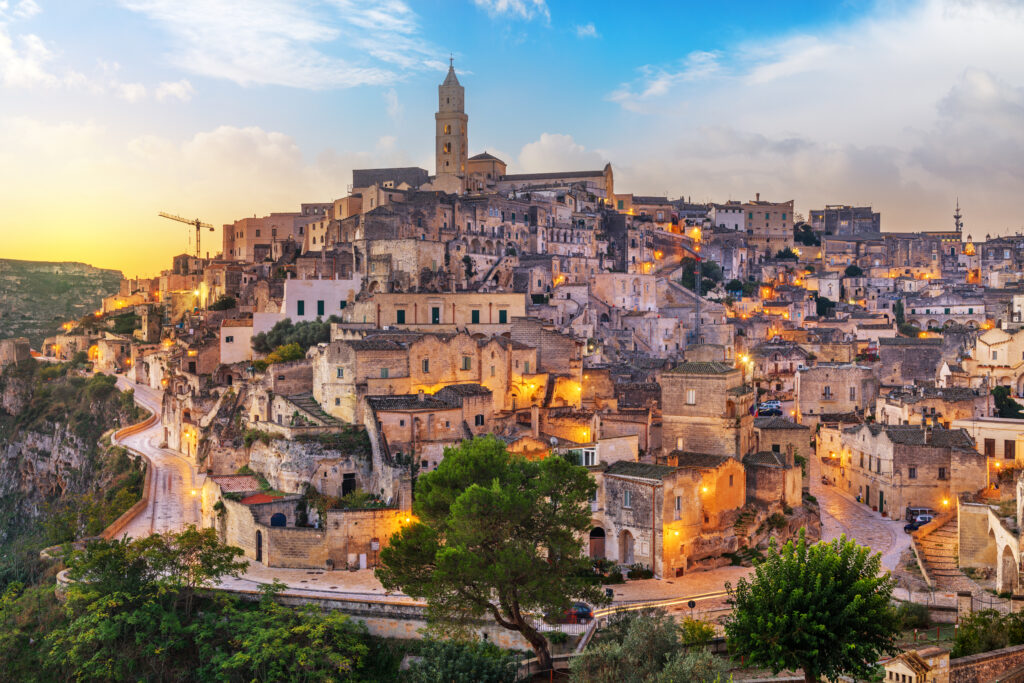
Sleeping inside a cave hotel changed my perception of history.
The Sassi cave dwellings are over 9,000 years old.
Morning light filtering through stone walls feels almost spiritual.
Train: Bari → Matera Centrale (1.5 hours, €7).
Cave hotel: €140–€200.
Try: Pane di Matera bread.
9. Gargano Peninsula – Turquoise Water Without the Hype
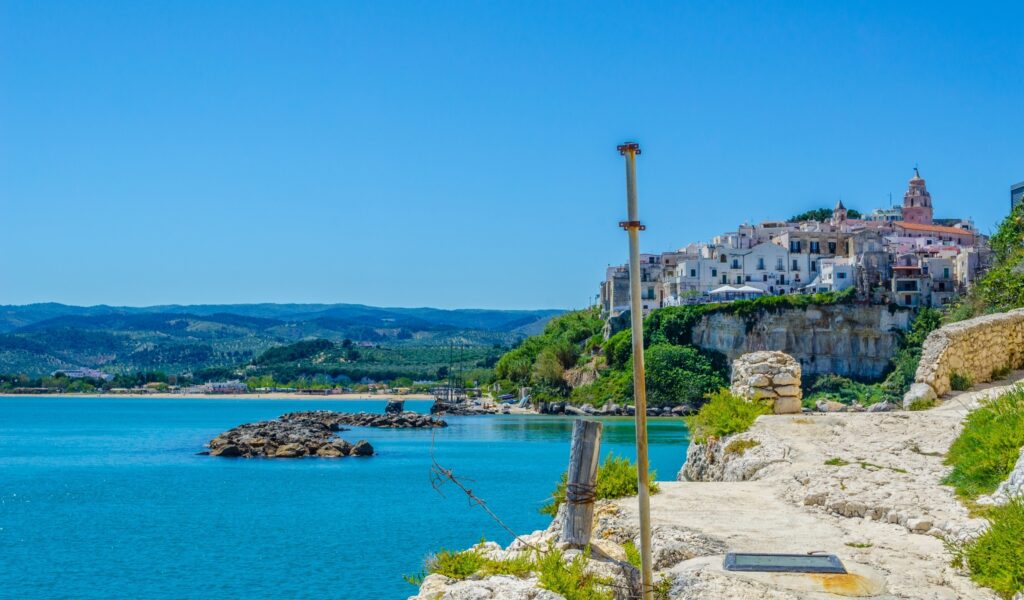
Baia delle Zagare looks edited.
White cliffs. Neon-blue water.
It’s Puglia’s quieter coastline.
Drive: Bari → 2.5 hours.
Beach umbrella: €20–€30.
June or September is perfect.
10. Lago di Braies & The Northern Dolomites
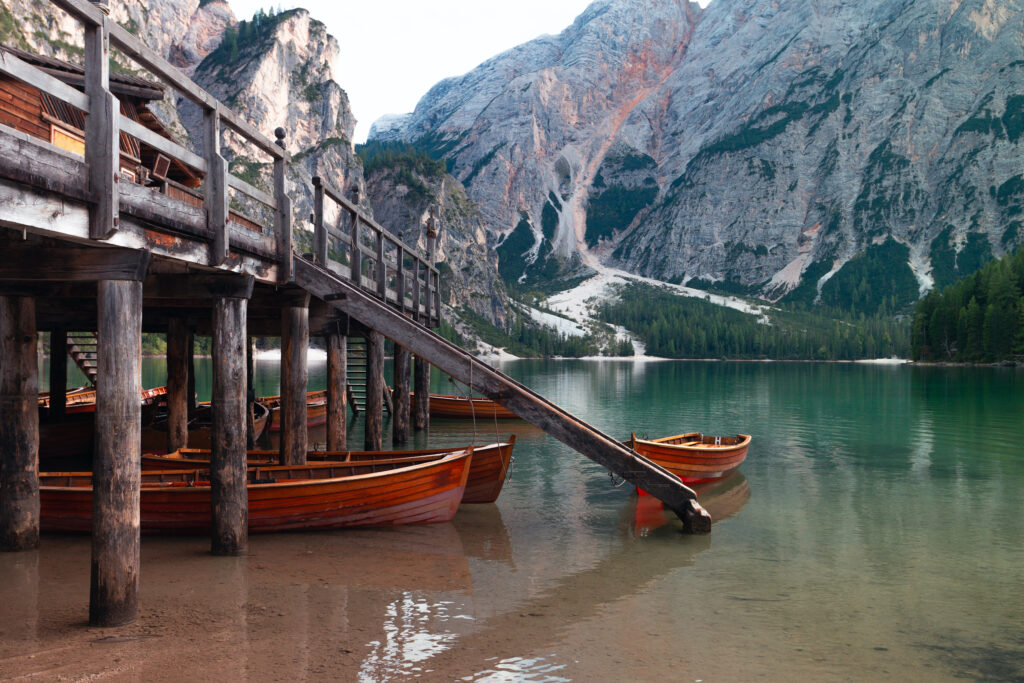
Stay overnight near Lago di Braies.
Most day-trippers arrive by 10 AM.
At 7 AM, the lake is glass. Mountains reflect perfectly.
You hear only water touching wooden boats.
Route: Train to Fortezza → Dobbiaco → Bus 442.
Parking: €15–€20.
Boat rental: €40 (45 min).
Late June or September is ideal.
How to Plan a Hidden Gem Trip in 2026
Combine 2 regions max
Rent a car for rural areas
Book boutique stays early
Travel April–June or September
Use Trenitalia app
Download offline Google Maps
5-Day Hidden Gem Itinerary
Day 1: Rome → Civita di Bagnoregio
Day 2: Drive to Castelluccio
Day 3: Train to Bologna → Dozza
Day 4: Fly/train to Bari → Alberobello
Day 5: Matera cave stay
Budget Breakdown (5 Days, Per Person)
- Trains & buses: €120
- Car rental (2 days): €150
- Accommodation: €500
- Food: €200
- Entry fees & misc: €80
Total: ~€1,050
Final Reflection
Italy isn’t just monuments.
It’s church bells in empty streets.
It’s wildflowers moving with the wind.
It’s water so clear it feels unreal.
The Italy most people photograph is beautiful.
But the Italy you remember forever is quiet.
Ready to Discover the Real Europe?
If this guide sparked something in you, imagine what you’ll uncover next.
At StepInEurope.com, we go beyond tourist checklists.
We share hidden villages, quiet coastlines, secret train routes, and practical 2026 travel insights you won’t find in mainstream guides.
Explore deeper Europe at StepInEurope.com
Start planning a trip that feels personal, not packaged.
FAQ
- What are the most underrated places in Italy?
Civita di Bagnoregio, Castelluccio di Norcia, and Gargano Peninsula remain under-visited compared to major cities. - Is Matera worth visiting in 2026?
Yes. Especially for cave hotels and early morning views over the Sassi. - Where can I see turquoise water in Italy without crowds?
Gargano Peninsula in Puglia and Tropea in Calabria. - When is best time to visit hidden gems in Italy?
April–June and September–October for fewer crowds and better weather.