


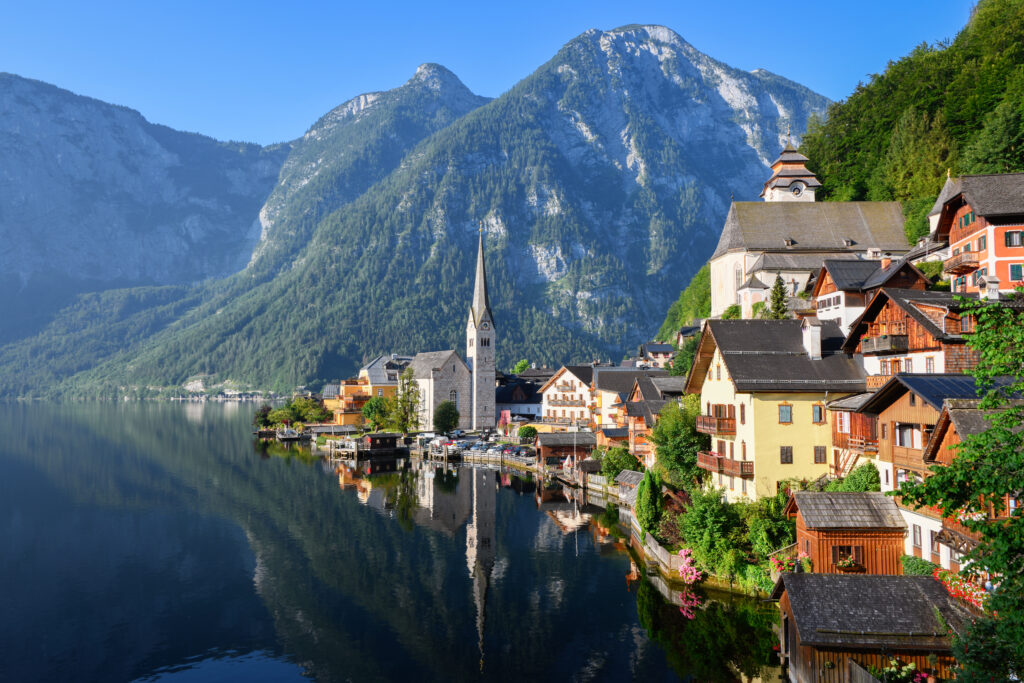
I still remember the morning I reached Gosausee just before sunrise.
The lake was perfectly still. The jagged Dachstein glacier reflected so clearly in the water that it looked like a mirror laid across the valley. No crowds. No buses. Just the quiet clinking sound of cowbells somewhere in the distance.
Austria has a reputation for postcard beauty—palaces, classical music, and grand alpine scenery. But most travelers only skim the surface, sticking to the well-known cities and famous villages.
The real Austria lives in quieter valleys, lesser-known lakes, and alpine villages where life still moves slowly. If you wander beyond the obvious stops, you’ll discover landscapes that feel untouched and moments that feel almost private.
Here are some of the most beautiful hidden gems in Austria you won’t usually find in travel guides.
Why Austria Still Has Hidden Places
Austria may seem small on the map, but geographically it’s incredibly diverse.
Nearly two-thirds of the country is covered by the Alps, and many valleys remain relatively isolated. While cities like Vienna or Salzburg draw millions of visitors each year, thousands of smaller villages and natural wonders remain overlooked.
Several reasons keep these places under the radar:
- Limited public transportation routes
- Seasonal accessibility in alpine regions
- Travelers focusing on famous destinations like Hallstatt
- Tourism marketing centered around major cities
But for travelers who enjoy quieter experiences—hiking trails, alpine lakes, medieval towns—these hidden corners offer something rare: space to breathe.
1. Hallstatt Viewpoint Trails Beyond the Village

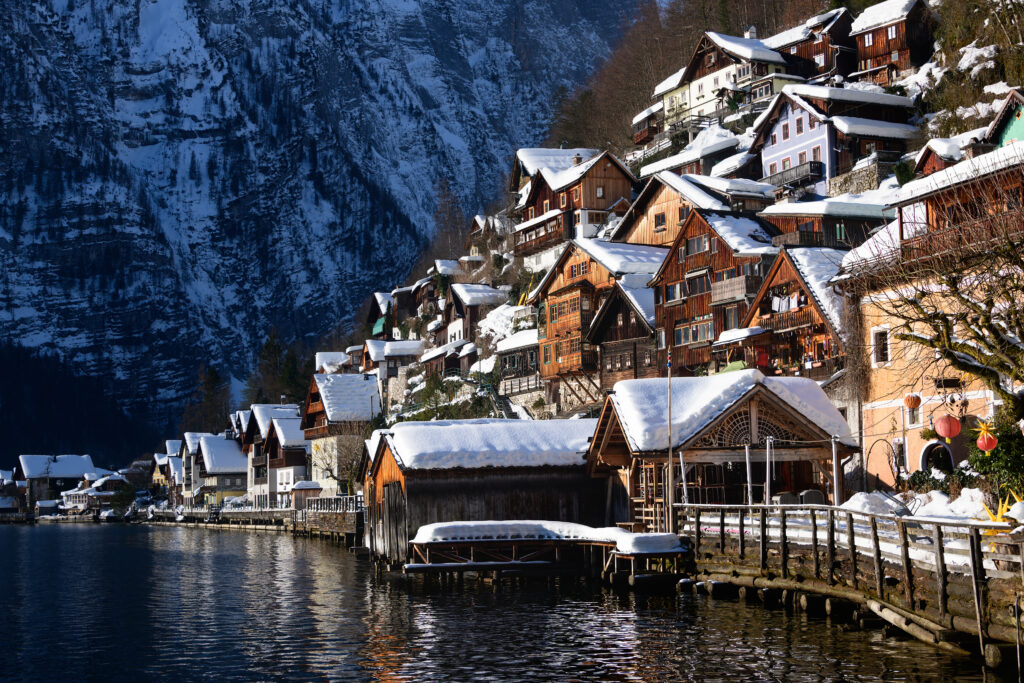
Hallstatt itself is no secret anymore. Tour buses arrive early, and the lakeside streets can feel crowded.
But what many visitors miss are the quiet hiking trails above the village.
One morning I followed a narrow forest path that climbed toward a viewpoint overlooking the lake. Within twenty minutes the crowds disappeared completely. Pine trees filtered the sunlight, and the smell of damp earth filled the air.
At the top, the view stretched across Hallstätter See and the entire village below—tiny pastel houses reflected in the water.
How to reach:
Train to Attnang-Puchheim → regional train to Hallstatt station → ferry across the lake (€3).
Best time: Early morning or late afternoon.
Try: Fresh alpine trout at a lakeside restaurant (€18–€24).
Search Google Maps: Hallstatt Skywalk viewpoint trail.
2. Altaussee – A Quiet Lake Village

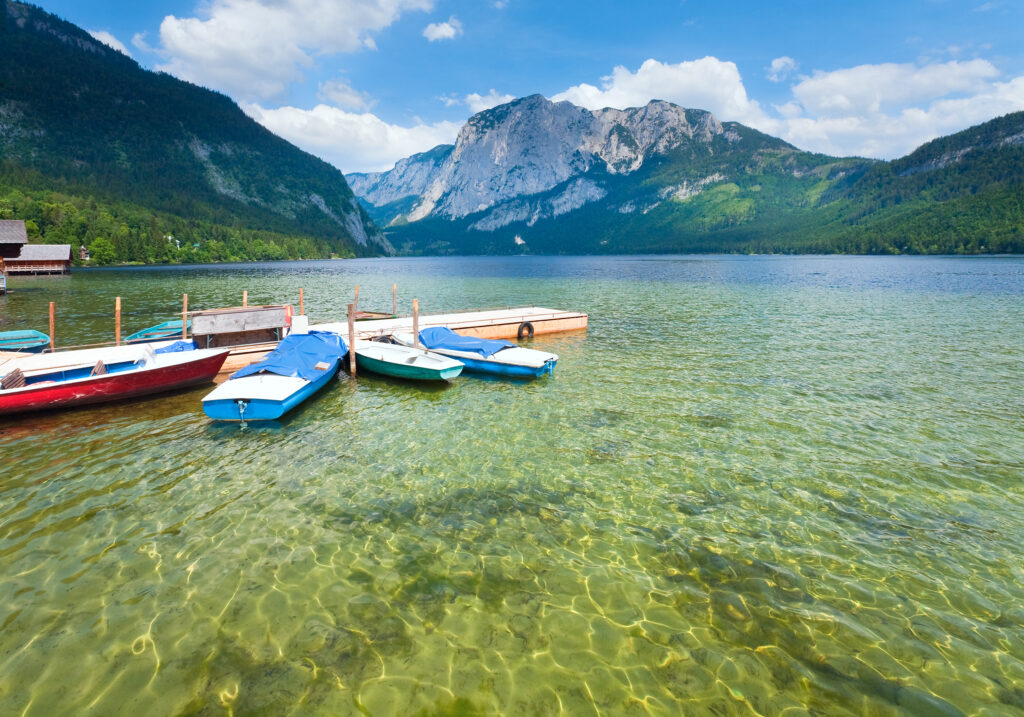
Just an hour away from Hallstatt lies Altaussee, a lakeside village that feels surprisingly calm.
The lake here is wide and peaceful, surrounded by forested slopes and jagged limestone peaks.
I walked along the shoreline path while fishermen quietly prepared their boats. The water had that deep alpine blue that only glacier-fed lakes seem to have.
How to reach:
Train to Bad Aussee → bus to Altaussee (20 minutes).
Best time: Late spring to early autumn.
Try: Local char fish from the lake.
Lunch price: €16–€22.
Google Maps search: Altaussee lake promenade.
3. Eisriesenwelt Ice Caves – The Largest Ice Cave in the World
Inside the mountains near Werfen lies one of the most surreal places in Austria.
The Eisriesenwelt Ice Caves stretch more than 40 kilometers underground. Giant frozen formations rise like crystal cathedrals.
Walking through the cave with lantern light reflecting off the ice felt like stepping into another planet.
Cold air rushed through the tunnels, and every step echoed against the frozen walls.
How to reach:
Train to Werfen → shuttle bus to the cave base station.
Entry ticket: about €38 (2026).
Best time: May–October.
Bring warm clothing—the cave temperature stays around 0°C.
4. Großglockner High Alpine Road – Austria’s Most Dramatic Drive
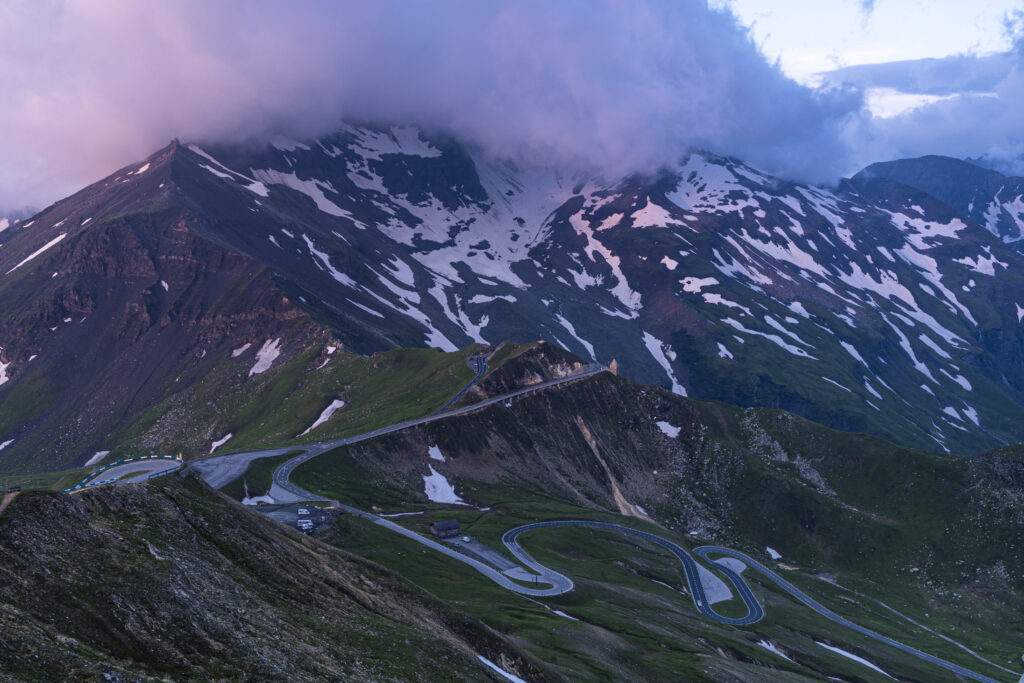
Driving along the Großglockner High Alpine Road feels like traveling through the roof of Austria.
Hairpin curves climb through the Hohe Tauern National Park until the landscape opens into vast alpine glaciers.
At one viewpoint I stood watching clouds drift slowly across the peaks while marmots whistled somewhere nearby.
How to reach:
Car rental from Zell am See or Salzburg.
Road toll: around €42 per vehicle.
Best time: June to September.
Bring a camera—the scenery changes dramatically with altitude.
5. Grüner See – The Emerald Green Lake
Grüner See looks almost unreal.
During spring snowmelt, the water floods a small park area, turning it into an emerald-colored lake.
Benches, trees, and walking paths become partially submerged.
Standing by the shore, the water looked almost glowing.
How to reach:
Train to Bruck an der Mur → bus to Tragöß village.
Best time: May or early June.
Parking fee: about €6.
6. Dürnstein – A Medieval Town in the Wachau Valley
The Wachau Valley is known for vineyards and medieval villages.
Dürnstein stands out with its blue church tower rising above the Danube River.
I wandered through the cobblestone streets early in the morning while bakery doors opened and the smell of fresh bread filled the air.
How to reach:
Train from Vienna to Krems → bus or bike along the Danube.
Best time: September during wine harvest.
Try: Wachau apricot desserts and Grüner Veltliner wine.
Dessert + coffee: €9–€12.
7. Heiligenblut – Alpine Village Beneath Austria’s Highest Peak
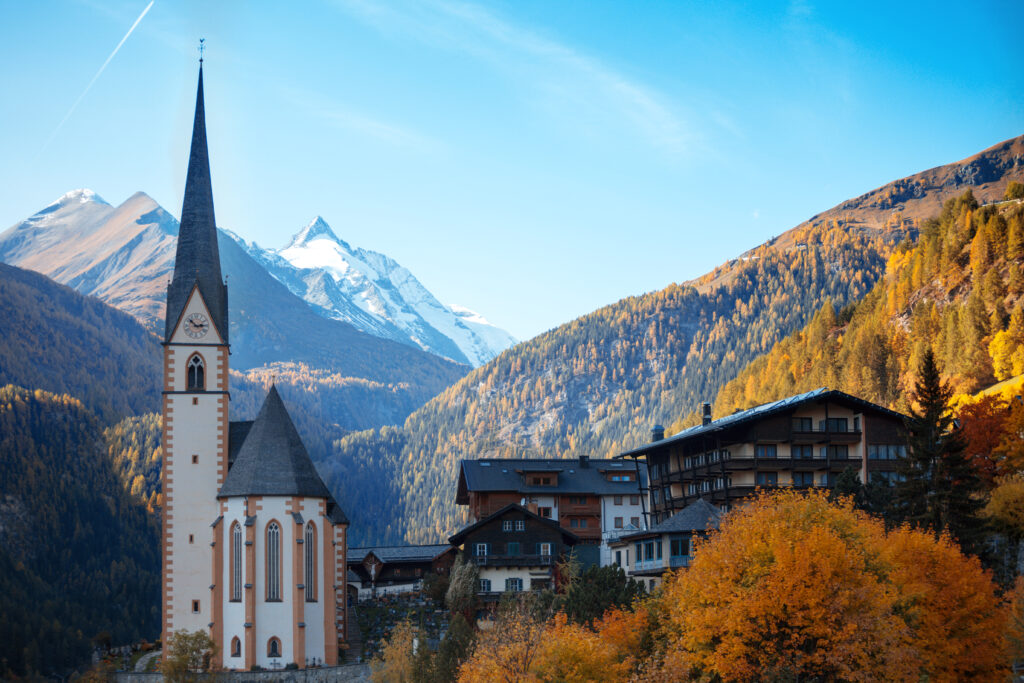
Heiligenblut sits at the foot of Austria’s highest mountain, Großglockner.
The village church spire rising against the mountain backdrop looks like something from a painting.
I arrived during sunset, when the glacier peaks turned pink in the fading light.
How to reach:
Drive along the Großglockner Alpine Road.
Best time: Summer hiking or winter skiing.
Hotel prices: €100–€150 per night.
8. Krimml Waterfalls – Europe’s Highest Waterfall
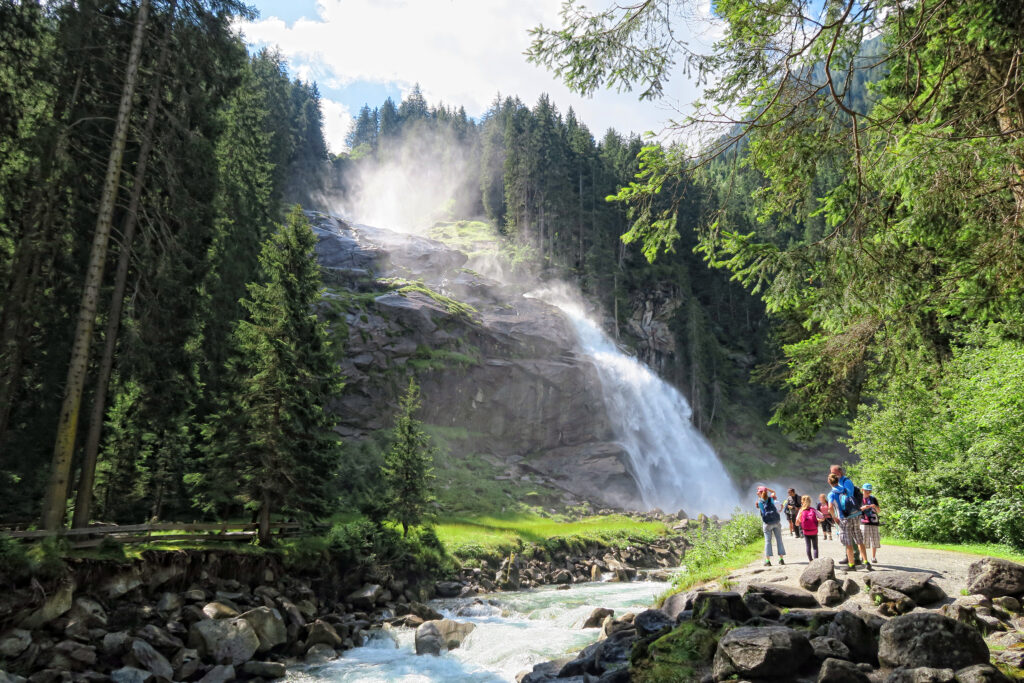
The Krimml Waterfalls plunge more than 380 meters in three dramatic tiers.
Mist fills the air as you climb the hiking trail beside the roaring water.
Standing near the middle cascade, the power of the waterfall felt overwhelming.
How to reach:
Train to Zell am See → bus to Krimml.
Entry fee: €8.
9. Gosausee – Dachstein Glacier Reflections
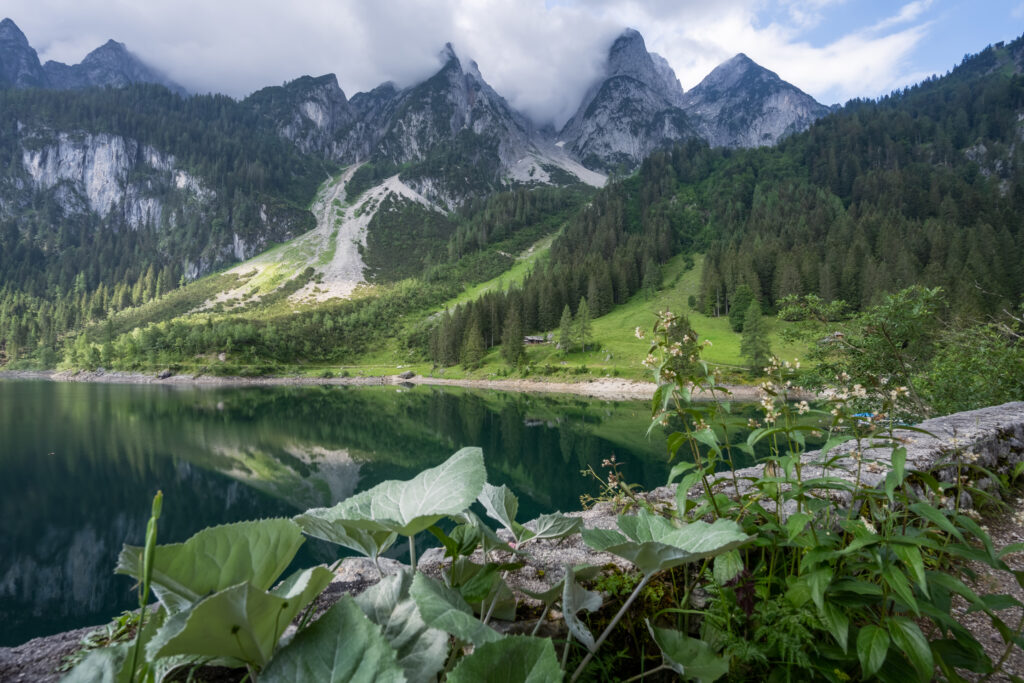
Gosausee might be one of the most photogenic lakes in Austria.
The Dachstein glacier towers above the water, and the reflections are perfect on calm mornings.
How to reach:
Bus from Bad Ischl or Hallstatt.
Best time: Sunrise.
Parking: €5.
10. Seebensee – The Turquoise Alpine Lake
Seebensee requires a short hike—but the reward is unforgettable.
The lake glows turquoise beneath towering alpine peaks.
The silence here feels almost sacred.
How to reach:
Cable car from Ehrwald → 1-hour hike.
Best time: July–September.
Mountain hut lunch: €14–€20.
How to Plan a Hidden-Gem Trip in Austria
- Combine 2–3 regions only
- Rent a car for alpine destinations
- Travel in May–June or September
- Use ÖBB trains for intercity travel
- Book mountain hotels early
5-Day Hidden Gem Itinerary
Day 1 – Wachau Valley & Dürnstein
Day 2 – Altaussee lake region
Day 3 – Hallstatt hiking trails & Gosausee
Day 4 – Großglockner Alpine Road → Heiligenblut
Day 5 – Krimml Waterfalls → Seebensee hike
Budget Breakdown (5 Days)
Accommodation: €500
Transport: €200
Food: €200
Activities: €120
Estimated total: €1,020
Final Reflection
Austria rewards travelers who slow down.
Beyond the famous cities, quiet valleys and hidden lakes reveal a different rhythm of life.
Sometimes the most memorable places are the ones that don’t appear on the first page of a travel guide.
FAQ
- What are hidden places in Austria worth visiting?
Altaussee, Gosausee, Seebensee, and Heiligenblut are among the most underrated destinations. - Is Austria expensive for travelers?
Costs are moderate compared to Switzerland, especially outside major cities. - What is the most beautiful lake in Austria?
Seebensee and Gosausee are among the most scenic alpine lakes. - When is best time to visit Austria for nature?
Late spring through early autumn offers the best weather for hiking and lakes.